

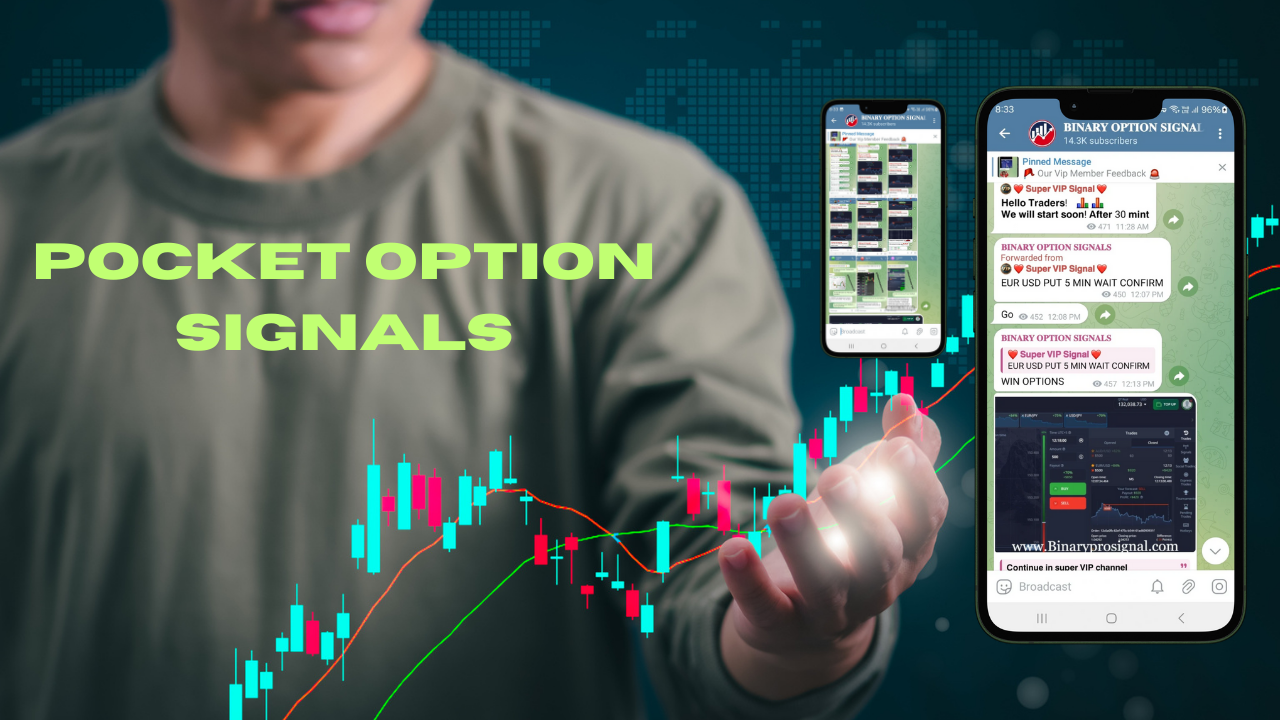

Pocket Option Signals: A Complete Professional Guide to Smarter Trading Decisions
Introduction to Pocket Option Signals
Pocket Option signals have become an essential tool for traders who aim to make data-driven, precise, and profitable trading decisions in the fast-paced world of online trading. As the digital trading landscape evolves, relying on intuition alone is no longer enough. We focus on structured analysis, real-time insights, and advanced signal strategies designed to help traders maximize accuracy and minimize risk.
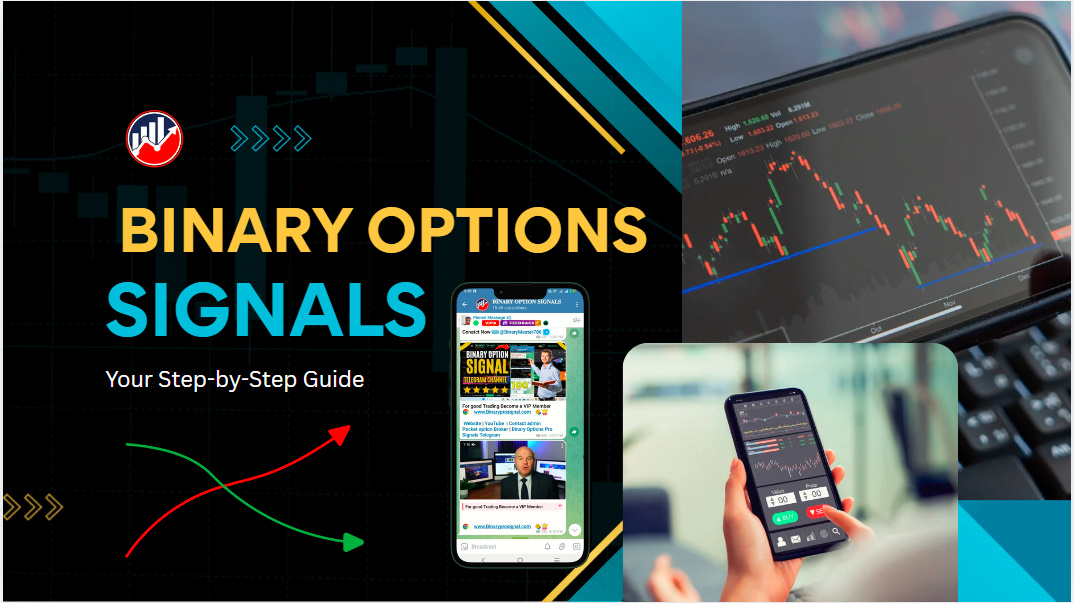
POCKET OPTION SIGNAL TELEGARM CHANNELPocket Option signals provide clear entry and exit points, trend identification, and market sentiment analysis, enabling traders to act with confidence rather than speculation. This guide delivers a comprehensive, professional, and in-depth overview of Pocket Option signals, covering everything from fundamentals to advanced strategies.
What Are Pocket Option Signals?
Pocket Option signals are market-generated trade alerts based on technical indicators, price action, and algorithmic analysis. These signals notify traders when to enter or exit a trade on the Pocket Option platform.
We utilize signals to:
- Identify high-probability trading opportunities
- Reduce emotional decision-making
- Improve consistency and discipline
- Align trades with real market trends
Each signal is built upon quantifiable market data, ensuring reliability and transparency.
Why Pocket Option Signals Matter for Traders
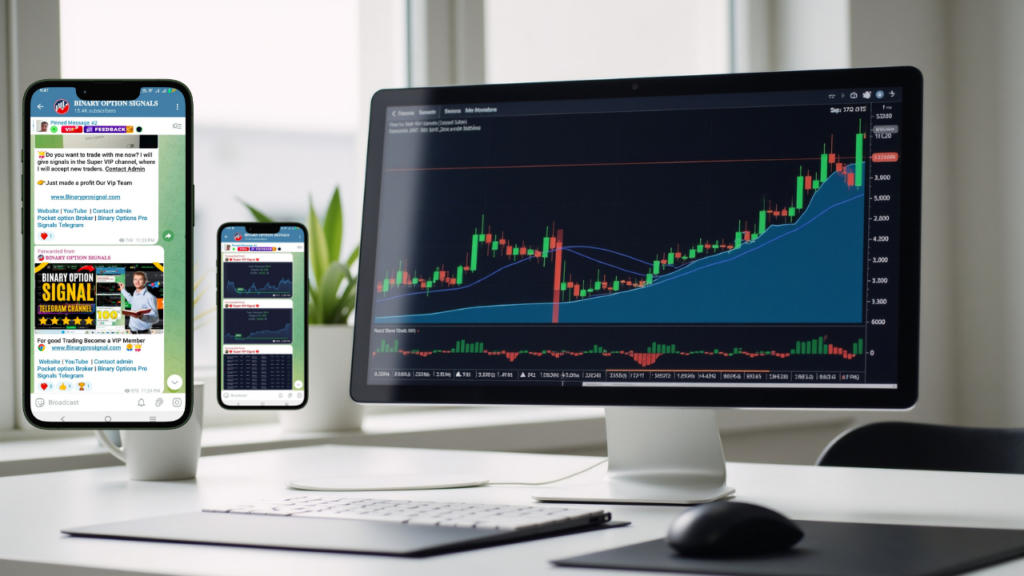
Trading without signals often leads to overtrading, emotional losses, and inconsistency. Pocket Option signals bring structure and logic to trading strategies.
Key benefits include:
- Improved accuracy through technical confirmation
- Time efficiency for busy traders
- Reduced learning curve for beginners
- Scalability for professional traders managing multiple assets
By following well-analyzed signals, traders can focus on execution rather than constant market monitoring.
Types of Pocket Option Signals
1. Technical Indicator-Based Signals
These signals are generated using proven technical indicators such as:
- Moving Averages
- RSI (Relative Strength Index)
- MACD
- Bollinger Bands
They help identify trend direction, momentum, and reversals.
2. Price Action Signals
Price action signals rely on:
- Support and resistance levels
- Candlestick patterns
- Breakout and retest zones
These signals are highly effective for traders who prefer clean charts without clutter.
3. Algorithmic and AI-Based Signals
Advanced traders leverage AI-powered Pocket Option signals that analyze:
- Historical price behavior
- Volatility patterns
- Real-time order flow
These signals provide high-speed accuracy with minimal human bias.
How Pocket Option Signals Work in Real-Time
Pocket Option signals operate by continuously scanning the market for:
- Volume spikes
- Trend confirmations
- Volatility shifts
Once predefined conditions are met, a signal is triggered and delivered instantly. This allows traders to act at the optimal moment, which is critical in short-term trading environments.
Pocket Option Signals for Beginners
For beginners, Pocket Option signals serve as a learning framework. Instead of guessing, new traders can observe:
- Why a signal was generated
- Which indicators confirmed the trade
- How timing affects outcomes
We recommend beginners start with:
- Low-risk assets
- Short trade durations
- Strict money management rules
Signals help build discipline while gaining market experience.
Advanced Pocket Option Signal Strategies
Multi-Indicator Confirmation Strategy
We combine:
- Trend indicator
- Momentum indicator
- Support/resistance confirmation
This strategy filters out low-quality trades and focuses on high-confidence setups.
Session-Based Signal Trading
Markets behave differently during:
- Asian session
- London session
- New York session
Trading Pocket Option signals aligned with active sessions improves liquidity and accuracy.
Risk-to-Reward Optimized Signals
Professional traders focus on signals with favorable risk-to-reward ratios, ensuring long-term profitability even with moderate win rates.
POCKET OPTION SIGNAL TELEGRAM CHANNEL
Risk Management with Pocket Option Signals
Even the best signals require proper risk management. We emphasize:
- Fixed percentage risk per trade
- Avoiding over-leverage
- Daily loss limits
- Trade journaling
Pocket Option signals work best when combined with strict capital protection rules.
Common Mistakes to Avoid When Using Pocket Option Signals
- Blindly following signals without understanding context
- Overtrading multiple signals at once
- Ignoring market news and volatility
- Increasing trade size after losses
We advocate a disciplined, rules-based approach to signal trading.
Choosing Reliable Pocket Option Signals
Reliable Pocket Option signals are:
- Transparent in methodology
- Consistent over time
- Backtested with historical data
- Supported by real-time analysis
We prioritize quality over quantity, ensuring every signal adds value.
POCKET OPTION SIGNAL TELEGRAM CHANNEL
Pocket Option Signals and Long-Term Trading Success
Consistency is the foundation of success. Pocket Option signals are not a shortcut but a professional trading tool that supports:
- Strategic planning
- Emotional control
- Performance evaluation
When used correctly, signals become part of a sustainable trading system rather than a gamble.
Conclusion
Pocket Option signals empower traders with clarity, precision, and confidence. By integrating technical analysis, price action, and advanced algorithms, these signals provide a structured pathway to smarter trading decisions. We believe that disciplined execution, combined with reliable Pocket Option signals, creates a strong foundation for long-term trading success.



Leave a Reply